


When people think about important machines, they often think about engines, aircraft, or construction equipment.
Few people think about pumps.
Yet pumps are everywhere.
They move water for agriculture, supply cities, support industrial production, protect communities from flooding, and enable large-scale water infrastructure.
A pump may operate quietly underground or inside a facility, but its impact reaches millions of people.
Behind every reliable pump, there are engineers who spend decades studying how to make it more efficient, safer, and more durable.
One of these engineers is Professor Yuan Shouqi, a leading expert in fluid machinery and agricultural drainage and irrigation equipment.
For more than 40 years, he has focused on one simple but important question:
How can we make pumps work better for the real world?
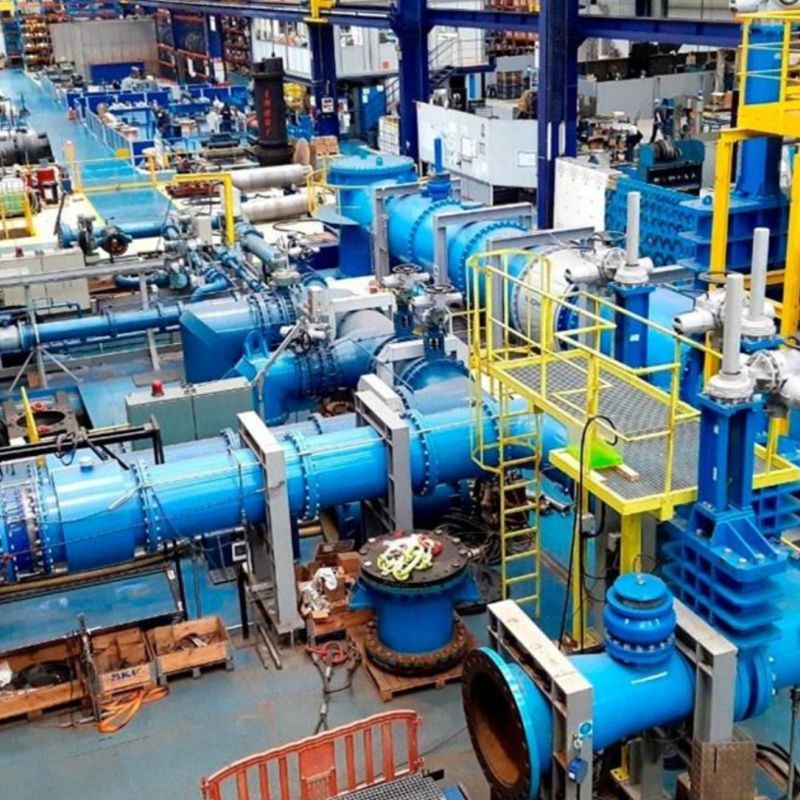
From Rural Roots to Engineering Research
Born in Shanghai in 1963, Yuan Shouqi grew up in a rural family.
His early experience gave him a deep understanding of agriculture and the importance of water resources.
In 1980, he entered Zhenjiang Agricultural Machinery College, where he began his journey in agricultural machinery and fluid engineering.
Over the following decades, he developed from a student into a researcher, professor, academic leader, and university president.
However, regardless of his position, his core identity remained unchanged:
A pump engineer.
Why Pumps Became His Lifelong Research Focus
At first glance, a pump seems simple:
A rotating impeller transfers energy to water, creating flow.
But real engineering is never that simple.
A pump must continue working under changing conditions:
- · Different flow rates
- · Different water levels
- · Different operating environments
- · Different system requirements
Engineers must solve problems such as:
- · How to improve efficiency?
- · How to reduce energy consumption?
- · How to prevent overload?
- · How to ensure long-term reliability?
These challenges are especially important for submersible pumps and centrifugal pumps used in agriculture, municipal systems, and industrial applications.
Turning Theory into Practical Solutions
Yuan Shouqi and his research teams studied the internal flow behavior of pumps and developed improved hydraulic design methods.
Their research focused on:
- · High-efficiency centrifugal pump design
- · Non-overload pump technology
- · Hydraulic optimization
- · Reliable pump operation under variable conditions
The key idea was clear:
A good pump should not only perform well in a laboratory.
It must perform reliably in the field.
Because engineering success is not measured only by theoretical models.
It is measured by years of stable operation.
The Meaning of Engineering
Over four decades, Yuan Shouqi’s work contributed to the development of pump technology in China.
But perhaps his greatest contribution is not only the technology itself.
It is the engineering philosophy behind it:
Research should solve real problems.
A pump is not just a machine.
It is a connection between science and society.
From farmland irrigation to major infrastructure, every improvement in pump efficiency creates value for energy saving, water management, and sustainable development.
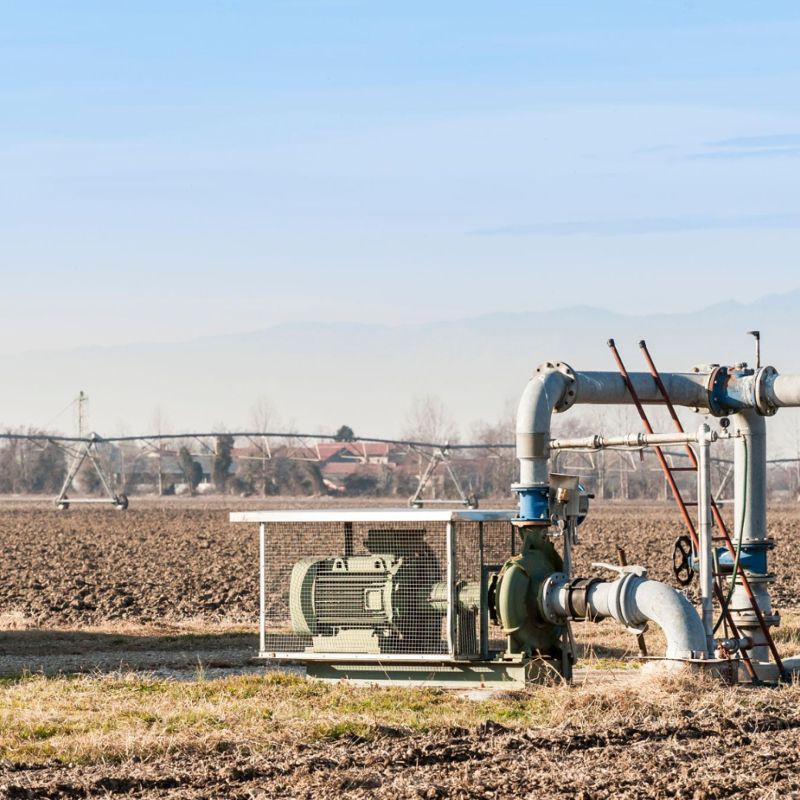
From Farmland Irrigation to National Water Projects: How Pump Technology Shapes Society
A pump does more than move water.
It connects natural resources with human needs.
For agriculture, pumps bring water to crops.
For cities, pumps protect communities from flooding.
For national infrastructure, pumps help balance water resources across regions.
The journey of Professor Yuan Shouqi’s research reflects this connection — from small agricultural equipment to large-scale water engineering projects.
Bringing Water Efficiency to Agriculture
In farming, lifting water is only the first step.
The bigger challenge is:
How can water reach crops efficiently with minimum waste?
Yuan Shouqi and his teams focused on:
- · Sprinkler irrigation systems
- · Drip irrigation technologies
- · Lightweight irrigation equipment
- · Reel-type sprinkler machines
These technologies needed to solve practical challenges:
- · Different farmland conditions
- · Limited energy resources
- · Easy operation requirements
- · Affordable equipment costs
A successful agricultural technology must not only be advanced.
It must be practical.
Because the final test of agricultural engineering is always the field.
The Pump as the “Heart” of Major Water Projects
Beyond agriculture, pumps support some of the world’s most important water systems.
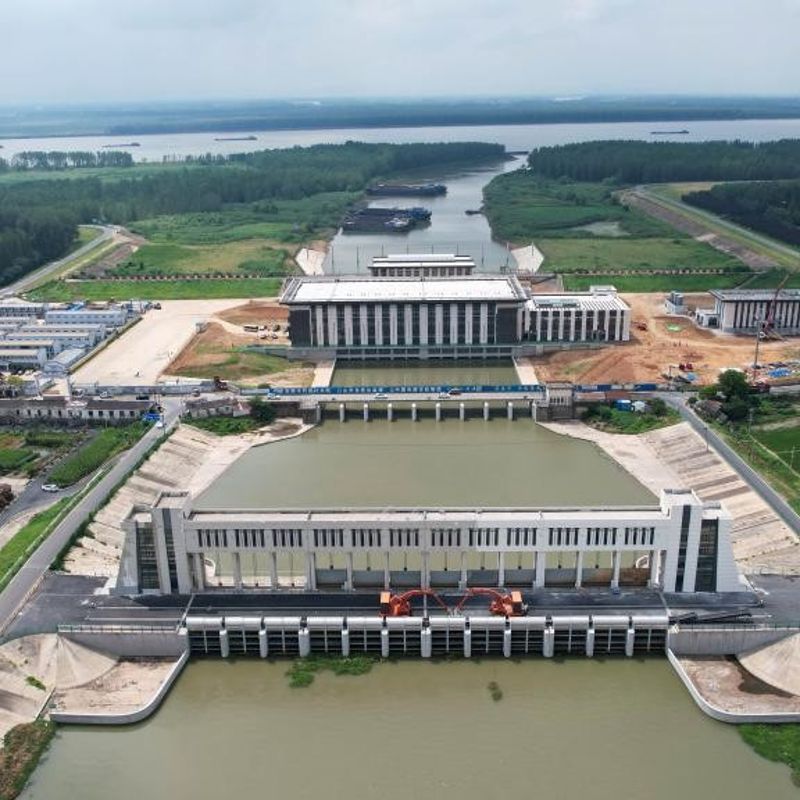
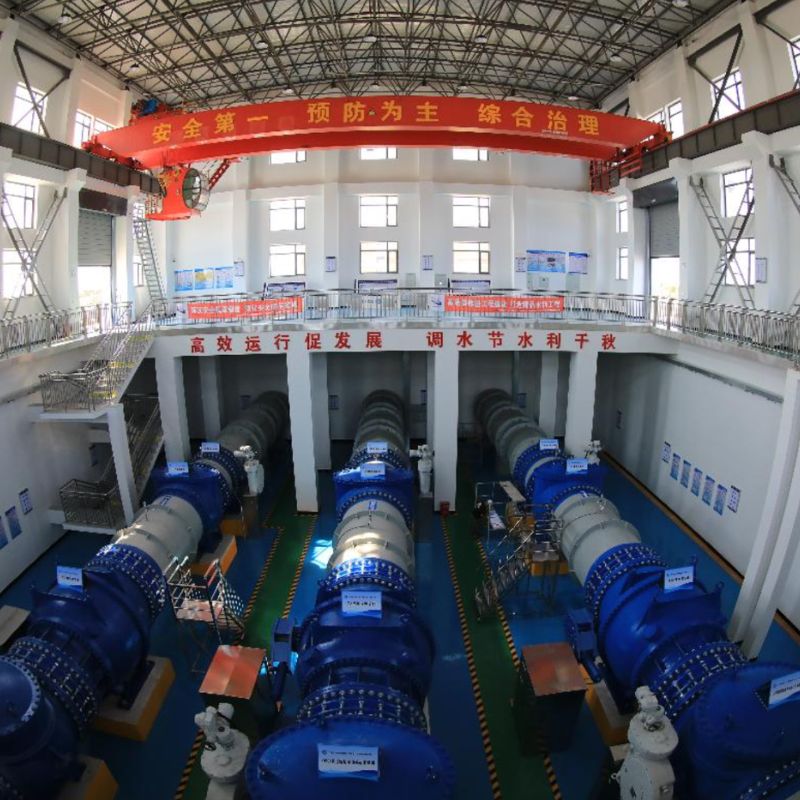
Large water transfer projects require powerful pumping stations capable of moving enormous volumes of water over long distances.
These systems demand:
- · High efficiency
- · Long-term reliability
- · Advanced hydraulic design
- · Stable operation under complex conditions
Large low-head pumps used in major water projects represent one of the most challenging areas in pump engineering.
A model tested in a laboratory must eventually become a machine operating continuously in real infrastructure.
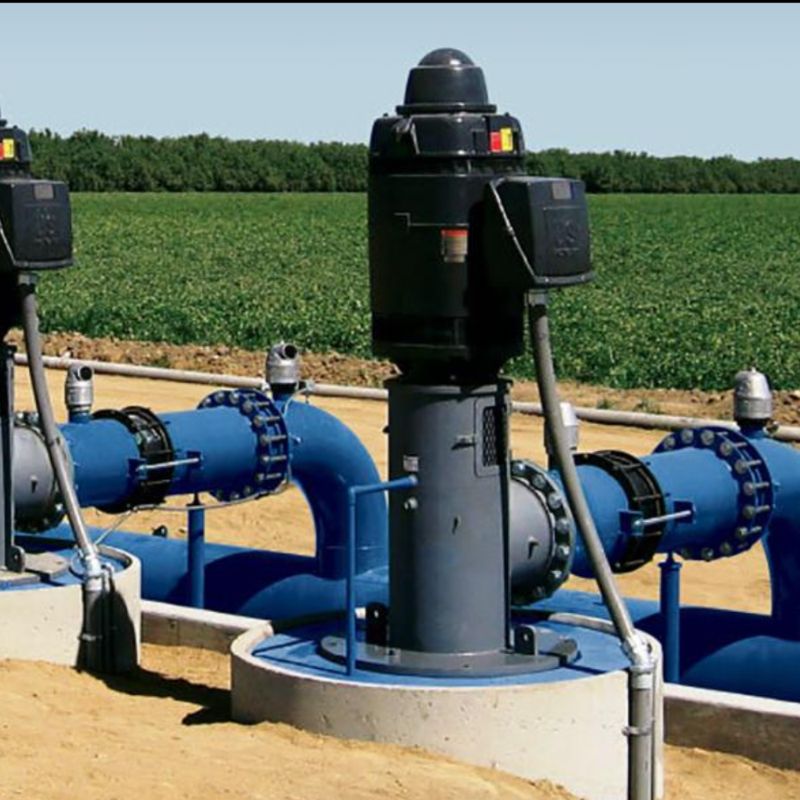
From Research Center to Real Projects
Through decades of research and collaboration, Yuan Shouqi’s teams developed advanced pump hydraulic models and engineering solutions.
These technologies have supported applications including:
- · Water transfer projects
- · Flood control systems
- · Agricultural irrigation
- · Water resource management
The achievement was not created by one individual.
It was built through cooperation between:
This is how engineering progress happens.
Why Pump Technology Matters
Many people see pumps as ordinary equipment.
But behind every pump is a bigger story:
Water security.
Industrial development.
Sustainable growth.
Improving a pump by only a few percentage points may seem small.
But when millions of pumps operate every day, those improvements create enormous value.
Part 3
The Future of Pumps: From Mechanical Equipment to Intelligent Water Systems
The pump industry is entering a new era.
For more than a century, pumps have been designed mainly as mechanical machines.
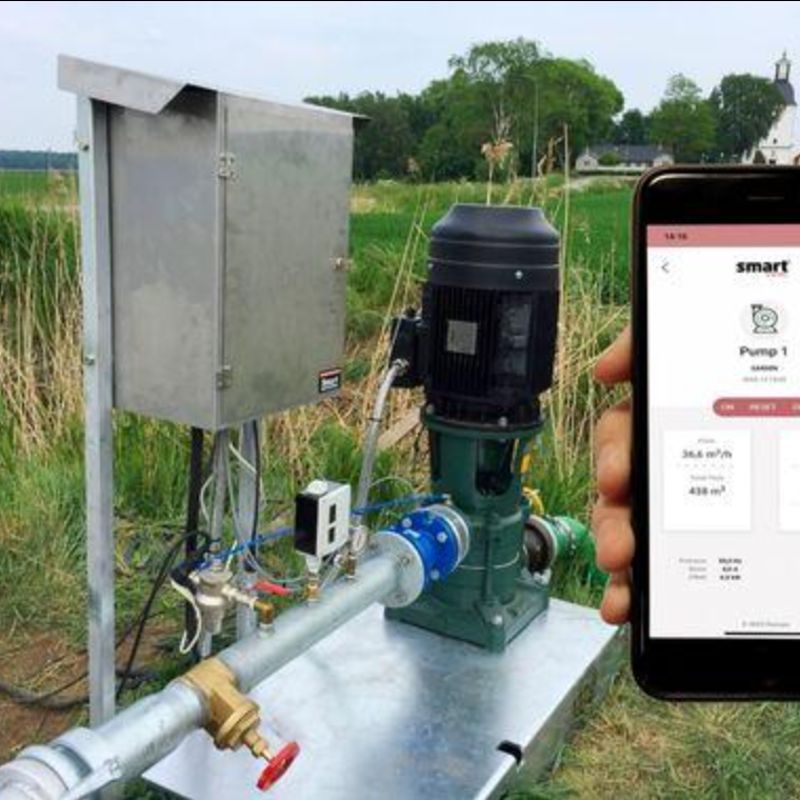
Today, they are becoming intelligent systems.
The future pump is not only about moving water.
It is about:
- · Understanding operating conditions
- · Predicting failures
- · Optimizing energy consumption
- · Improving system reliability
From Mechanical Design to Intelligent Operation
Traditional pump engineering focused on:
- · Hydraulic performance
- · Efficiency
- · Mechanical strength
- · Manufacturing quality
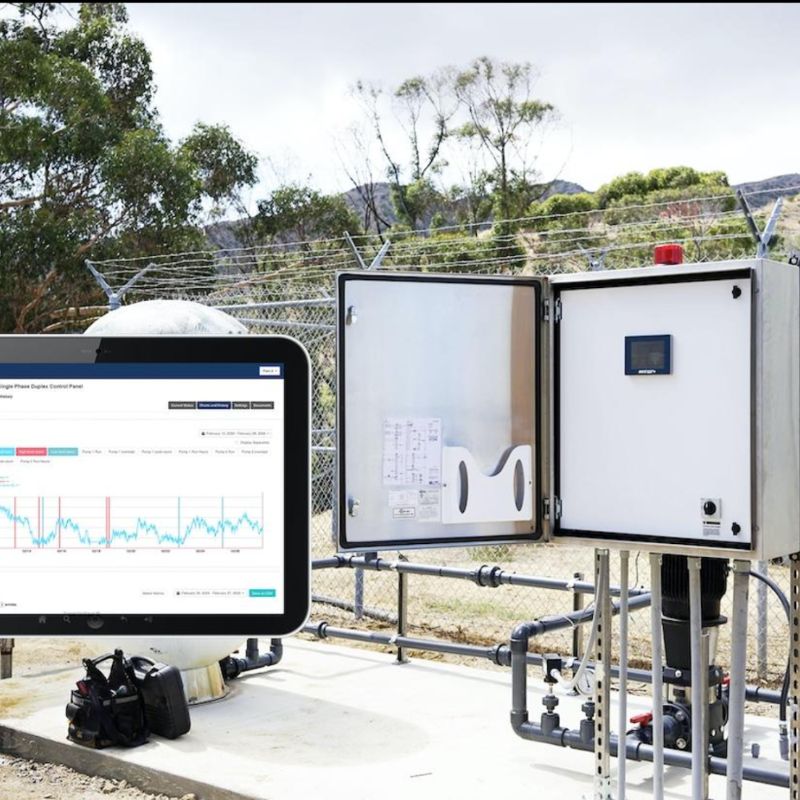
Modern pump systems require more:
- · Sensors
- · Data monitoring
- · Digital analysis
- · Smart control systems
The question is changing.
It is no longer only:
“How much water can a pump deliver?”
It is also:
“How intelligently can a pump operate?”
The Next Generation of Pump Engineers
Professor Yuan Shouqi’s career also represents another important mission:
Developing future engineers.
Technology advances because knowledge is transferred from one generation to the next.
He encouraged students to develop:
Confidence Believe in their ability.
Cooperation Work with teams.
Communication Connect technology with people.
Creativity Create new solutions.
And most importantly:
Responsibility Understand who technology serves.
Engineering Beyond Machines
A pump lifts water from a lower position to a higher position.
Great engineers do something similar.
They lift:
- · Technology to a higher level
- · Industries to stronger competitiveness
- · Young engineers toward greater possibilities
The future of pumps will not only depend on better machines.
It will depend on better ideas, better systems, and better people.
The Continuing Mission of Pump Technology
From small agricultural pumps to large water infrastructure, the fundamental mission remains unchanged:
· Make water movement more efficient.
· Make systems more reliable.
· Make technology serve society better.
The story of pump engineering is not only about equipment.
It is about solving problems that matter.
Because behind every pump, there is a field that needs water, a city that needs protection, and a world that needs sustainable solutions.
Engineering never stops moving forward.
Just like a pump, every generation pushes the future further.
At TKFLO, we believe the future of pumps is not only about moving water, but also about creating smarter, more efficient, and more sustainable solutions for global industries.
Post time: Aug-13-2026